
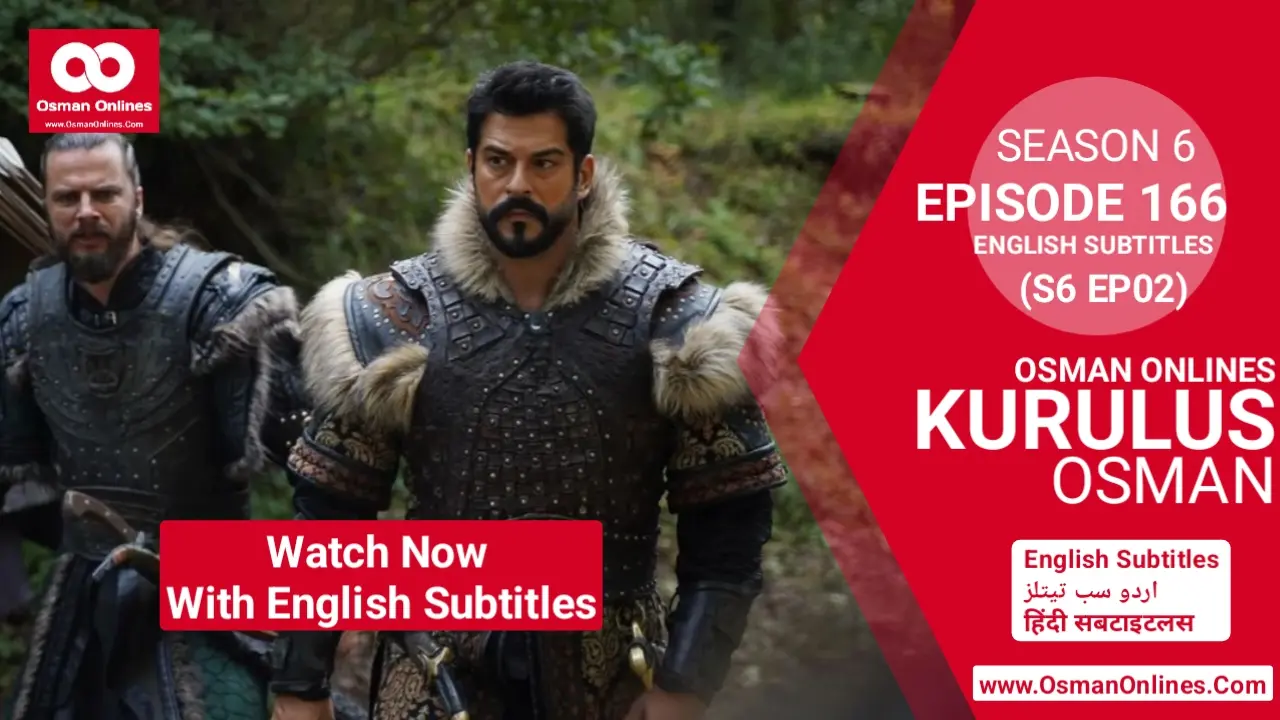
Kurulus Osman Chapter 166 – A Deep Historical Reflection on Leadership, Vision, and Legacy
Kurulus Osman Chapter 166 – A Deep Historical Reflection on Leadership, Vision, and Legacy
Kurulus Osman Chapter 166
Introduction: Why Kurulus Osman Chapter 166 Matters to History Readers
For readers deeply interested in history-inspired storytelling, Kurulus Osman Chapter 166 stands out as a thoughtful reflection on leadership, responsibility, and cultural endurance. Rather than being remembered only for surface-level events, this chapter highlights the psychology of leadership and the moral choices that shape civilizations.
The narrative continues to draw inspiration from the formative years of Anatolia, where tribal identity, faith, and social order were constantly evolving. For history readers, this chapter offers a window into how values, diplomacy, and strategic patience mattered as much as physical strength. It presents a layered interpretation of early state-building one that resonates with both academic curiosity and emotional depth.
“Power fades when it is forced, but endures when it is earned.”
Historical Context: Anatolia at a Turning Point
To fully appreciate Kurulus Osman Chapter 166, it is important to understand the broader historical background. Anatolia during this era was not a unified land; it was a mosaic of tribes, beliefs, and competing interests. Authority depended on trust, alliances, and moral credibility rather than sheer dominance.
This chapter subtly reflects that environment. Leadership is portrayed as a balancing act, maintaining internal harmony while navigating external pressures. The challenges faced mirror historical realities: limited resources, shifting loyalties, and the constant need to legitimize rule through justice.
Such storytelling helps history readers imagine how fragile early political structures truly were.
Leadership Philosophy in Kurulus Osman Chapter 166
One of the strongest themes in Kurulus Osman Chapter 166 is leadership through restraint. Osman Bey’s decisions emphasize foresight over impulse. Instead of rushing into confrontation, he evaluates long-term consequences an approach supported by many historical chronicles of successful rulers.
This chapter reinforces the idea that true authority grows from service. The leader is shown listening to elders, consulting trusted companions, and prioritizing community welfare. These moments echo early Turkic governance traditions, where consensus and counsel were essential.
Key leadership traits highlighted:
- Strategic patience
- Moral responsibility
- Collective decision-making
- Emotional intelligence
Social Unity and Tribal Responsibility
Another major element in Kurulus Osman Chapter 166 is social cohesion. The chapter underscores how unity was not automatic it had to be nurtured through fairness and shared purpose. Small misunderstandings, if ignored, could weaken the entire structure.
This theme closely aligns with historical records that show how early communities survived by reinforcing bonds through justice, charity, and mutual respect. The narrative demonstrates that leadership extended beyond command; it involved healing divisions and inspiring trust.
Unity, once broken, was harder to restore than territory.
Strategic Thinking Without Excessive Conflict
While moments of tension exist, Kurulus Osman, Chapter 166, avoids glorifying chaos. Instead, it focuses on strategy, negotiation, and positioning. Even when disagreements arise, the emphasis remains on calculated responses rather than uncontrolled reactions.
This approach makes the chapter particularly suitable for history readers. It mirrors how real-world leaders often preferred diplomacy, alliances, and timing over continuous confrontation. The storytelling subtly teaches that restraint can be a form of strength.
Cultural and Spiritual Undercurrents
Beyond leadership and strategy, Kurulus Osman Chapter 166 highlights cultural identity and spiritual grounding. Faith is presented not as a spectacle but as a moral compass guiding decisions. This reflects how belief systems historically provided legitimacy and unity to emerging societies.
Moments of reflection, counsel, and prayer emphasize inner strength. For readers, these scenes reinforce the idea that early leadership was deeply tied to spiritual accountability—leaders answered not only to people but to principles.
Symbolism and Historical Parallels
Symbolism plays a quiet yet powerful role in Kurulus Osman Chapter 166. Objects, dialogues, and silences often carry deeper meaning. These elements parallel historical symbolism used by early leaders to communicate authority and continuity.
For example, the recurring emphasis on land, tents, and councils reflects the nomadic-to-settled transition experienced by many Turkic groups. Such details enrich the narrative and reward attentive history readers.
Table: Core Themes in Kurulus Osman Chapter 166
| Theme | Historical Relevance | Reader Insight |
|---|---|---|
| Leadership | Early state formation | Authority through justice |
| Unity | Tribal survival | Strength in cohesion |
| Strategy | Political foresight | Patience over haste |
| Culture | Identity building | Tradition as foundation |
| Faith | Moral legitimacy | Values guide power |
Why This Chapter Appeals to Serious History Readers
Kurulus Osman Chapter 166 avoids exaggeration and instead embraces realism. Its pacing allows ideas to breathe, making it feel closer to a historical reflection than simple entertainment.
Readers interested in governance, ethics, and early political systems will find depth here. The chapter encourages contemplation rather than instant gratification a quality often appreciated by those who read history not just for facts, but for wisdom.
Key Takeaways
- Leadership is shown as responsibility, not privilege
- Strategic patience outweighs impulsive action
- Social unity requires constant effort
- Cultural identity strengthens political legitimacy
- Moral authority sustains long-term influence
Conclusion: The Enduring Message of Kurulus Osman Chapter 166
Kurulus Osman Chapter 166 succeeds because it respects its audience. It does not rely on shock value; instead, it builds meaning through character, context, and consequence. For history readers, it offers a thoughtful exploration of how early leadership philosophies shaped enduring legacies.
The chapter reminds us that civilizations are not built overnight. They emerge through discipline, shared values, and leaders who understand that their power is borrowed from the people they serve. This timeless message ensures that Kurulus Osman Chapter 166 remains relevant beyond its narrative setting.
FAQs – Kurulus Osman Chapter 166
Q1: What is the main historical theme of Kurulus Osman Chapter 166?
The chapter focuses on leadership ethics and unity, reflecting early Anatolian governance ideals.
Q2: Why is Kurulus Osman Chapter 166 important for history readers?
It emphasizes realistic decision-making, cultural identity, and moral responsibility rather than exaggerated conflict.
Q3: How does Kurulus Osman Chapter 166 portray leadership?
Leadership is shown through patience, consultation, and accountability to the community.
Q4: Does Kurulus Osman Chapter 166 highlight cultural values?
Yes, it strongly reflects traditions, faith, and social harmony as foundations of authority.
Q5: What makes Kurulus Osman Chapter 166 different from earlier chapters?
Its deeper focus on strategy and internal development rather than outward expansion sets it apart.
About the Narrative
Kurulus Osman is widely appreciated for blending historical inspiration with thoughtful storytelling, making chapters like 166 especially engaging for serious readers of history-inspired narratives.