
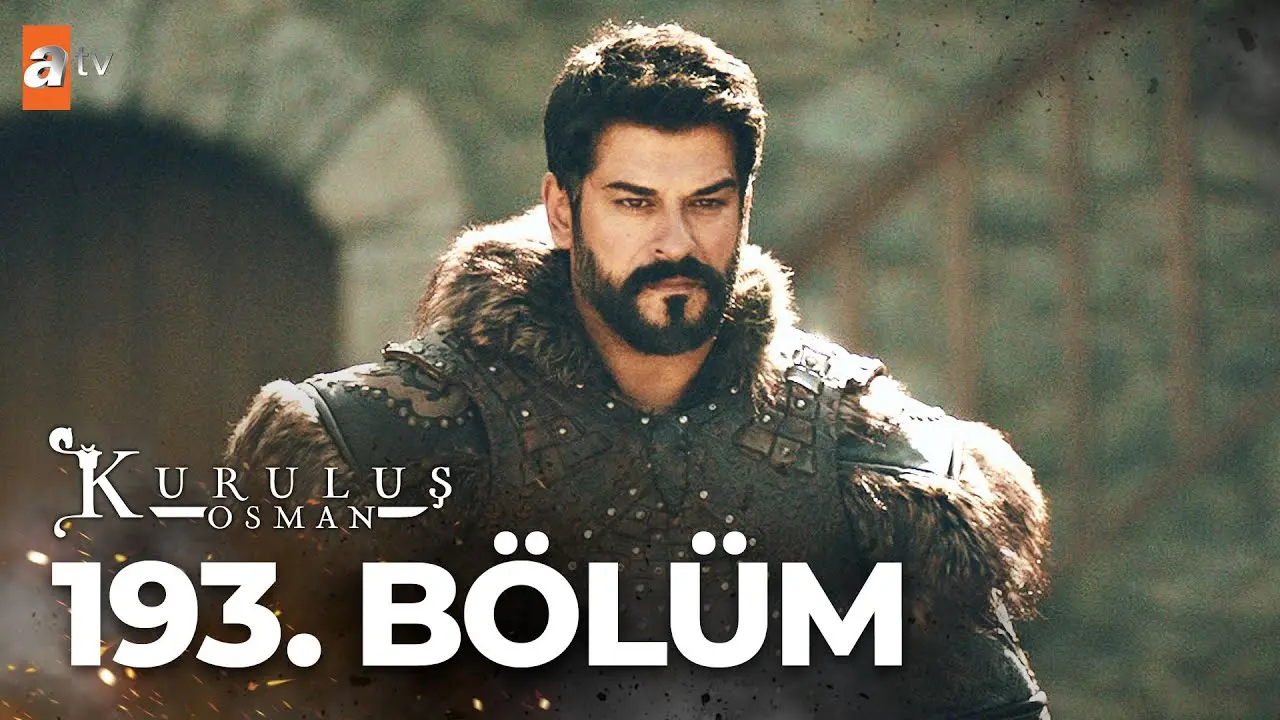
Kurulus Osman Chapter 194: The Rise of Osman Bey Against the Roman Threat
Kurulus Osman Chapter 194
Kurulus Osman Chapter 194
Introduction: A Turning Point in the Frontier Struggle
Kurulus Osman Chapter 194 unfolds at a time when the balance of power in Anatolia is fragile and volatile. The frontier lands known as the uçlar have become a battlefield of faith, ambition, and survival. Osman Bey, the visionary leader of the Kayı tribe, stands at the heart of this storm. As new enemies rise and alliances crumble, his leadership is once again tested against the might of the Roman forces and the deceit that lurks within his own people.
This chapter does more than narrate battles it captures the essence of Ottoman resilience, justice, and unity. Through its depiction of courage and betrayal, it mirrors the historical transformation of small frontier tribes into a formidable empire.
Osman Bey’s War with the Roman Army
In Kurulus Osman Chapter 194, Osman Bey engages in a fierce and decisive confrontation with the Roman army, commanded by the cunning General Claudius. The Roman forces, equipped with advanced strategies and disciplined formations, pose a significant danger to the stability of the frontier.
Despite shifting alliances and rising threats, Osman Bey’s military acumen allows him to repel the Byzantine guardians and halt the advancing Roman forces. His leadership once again proves that true power lies not merely in strength but in conviction and strategy.
| Battle Element | Roman Forces | Osman Bey’s Strategy |
|---|---|---|
| Leadership | Claudius | Osman Bey |
| Objective | Dominate frontier lands | Defend and unify tribes |
| Key Strength | Structured military power | Guerrilla tactics & loyalty |
| Result | Defeat and retreat | Strategic victory |
Quote:
“Victory does not belong to the strongest; it belongs to those whose hearts burn with purpose.” Osman Bey
The victory against Claudius marks a crucial chapter in Osman Bey’s journey, signaling the rising influence of the Kayı tribe across Anatolia.
The Hidden Betrayal Within the Tribe
Even as Osman Bey triumphs on the battlefield, danger festers within his tribe. A secret traitor lurks in the shadows, plotting to destabilize the unity that Osman has fought so hard to build.
This subplot introduces a sense of internal tension, highlighting that not all wars are fought with swords. Some are waged in silence — through deception and greed. Osman Bey’s challenge is not only to defeat his visible enemies but also to uncover the hidden foe within his own walls.
This internal strife represents a timeless truth of leadership: the greatest threats often come from within.
Yiğit’s Treacherous Plan Against Bala Hatun
One of the most gripping aspects of Kurulus Osman Chapter 194 is Yiğit’s descent into betrayal. Blinded by his thirst for power, he conspires with his aide, Eleni, to eliminate Bala Hatun the brave and wise wife of Osman Bey.
Their plan is marked by cunning and deceit, yet as history has often shown, treachery seldom goes unpunished. When their plot begins to unravel, Yiğit faces a moral crossroad conceal his betrayal or confront his downfall.
This storyline underlines a recurring theme in the Kurulus Osman saga: ambition without honor leads to ruin.
Claudius’ Desperate Assault on the Kayı Tribe
Driven by vengeance and humiliation, Claudius launches a furious assault on the Kayı Obası. His hatred for Osman Bey blinds him, pushing him toward a reckless act of aggression.
But this attack becomes his undoing. Captured by Osman Bey, Claudius finally meets the consequences of his relentless hostility. His fall symbolizes the collapse of Byzantine arrogance before the unity and courage of the frontier Turks.
Key takeaway:
- Claudius’ defeat represents not only a military success but also the moral victory of justice over tyranny.
Sofia’s Final Confrontation
Sofia, once a formidable adversary, returns with vengeance burning in her heart. Her confrontation with Osman Bey and Bala Hatun in this chapter marks the closure of an era. Defeated once again, Sofia faces her fate before the entire tribe.
Her downfall isn’t merely personal it’s symbolic. It represents the end of an age of deceit and the beginning of a new order under Osman Bey’s vision.
Quote:
“Justice may be delayed, but it never dies.” Bala Hatun
Through this final reckoning, the chapter reinforces the core values of justice, faith, and perseverance that lie at the heart of the Ottoman legacy.
Yiğit’s Betrayal of His Own Brother
As Yiğit’s ambition spirals out of control, his greed drives him to a shocking act turning against his own brother, Koca Bey. This moral collapse exposes how unchecked power can erode even the strongest familial bonds.
When Koca Bey discovers Yiğit’s betrayal, he faces a painful choice between kinship and justice. This conflict adds emotional weight to the narrative, reminding readers that true leadership demands sacrifice — even when it means standing against one’s own blood.
Osman Bey’s Grand Vision for Anatolia
Beyond the wars and betrayals, Kurulus Osman Chapter 194 highlights Osman Bey’s greater purpose. His dream extends far beyond the survival of the Kayı tribe it envisions a united Anatolia under justice and faith.
He aims to transform the fragmented frontier lands into a powerful state rooted in unity, courage, and belief. His victories are not just military triumphs but steps toward a grand historical destiny — the birth of an empire that would shape centuries.
| Osman Bey’s Vision | Symbolic Meaning |
|---|---|
| Unite the frontier tribes | Foundation of the Ottoman Empire |
| Establish justice and order | Strengthen faith and unity |
| Inspire future generations | Legacy of leadership |
Historical and Cultural Reflection
Although Kurulus Osman Chapter 194 is dramatized, it draws inspiration from genuine historical principles. Osman Bey’s leadership echoes the real foundations of the early Ottoman movement discipline, justice, and unwavering faith in a higher cause.
The portrayal of the frontier life, the Roman conflict, and tribal politics all serve as allegories for the struggles of early Anatolian society. For history readers, this chapter provides a fascinating glimpse into the moral and political ideals that birthed a new civilization.
Key Takeaways:
- Osman Bey’s strategies reveal early examples of guerrilla warfare.
- The tribal unity of the Kayıs foreshadows the later Ottoman confederation model.
- Female leadership, represented by Bala Hatun, underscores the balance of power in early Turkish culture.
Leadership Lessons from Osman Bey
Every challenge in Kurulus Osman Chapter 194 carries a leadership lesson:
- Vision Over Victory: Osman Bey fights for an ideal, not for fame.
- Unity in Diversity: Strength lies in bringing together people of different tribes and faiths.
- Justice Before Power: Authority is meaningless without fairness.
- Faith as Foundation: His belief gives purpose to his struggle.
These principles not only shaped the destiny of the Kayı tribe but also reflect timeless truths for modern leaders and readers alike.
Conclusion: The Dawn of a New Era
Kurulus Osman Chapter 194 is a masterful blend of strategy, faith, and emotion. It captures the final echoes of a dying empire and the first sparks of a new one. Osman Bey’s triumphs and trials remind us that history is not written by chance it is forged by visionaries who stand firm in the face of chaos.
As the frontier winds carry whispers of coming conquests, one thing becomes clear: Osman Bey’s journey has only just begun.
Frequently Asked Questions (FAQ)
The Roman commander Claudius serves as Osman Bey’s primary opponent, representing the might of the Roman forces threatening the frontier.
Sofia faces her final reckoning and is executed after being defeated by Osman Bey and Bala Hatun, marking the end of her long-standing enmity.
Yiğit’s obsession with power drives him to conspire against Bala Hatun and even his brother Koca Bey, showcasing the destructive nature of greed.
Osman Bey’s focus shifts toward unifying the tribes and laying the groundwork for a lasting Anatolian order based on justice and unity.
It reflects the historical transformation of small Turkish tribes into a cohesive power that would eventually form the Ottoman Empire.
Key Takeaways
- Osman Bey’s leadership emphasizes justice, faith, and unity.
- Betrayal and internal conflict threaten tribal harmony.
- The fall of Claudius and Sofia marks the decline of external tyranny.
- Osman’s vision paves the path toward a new civilization.