
Uyanis Buyuk Selcuklu Chapter 10 – Power, Strategy, and the Seljuk Legacy
Uyanis Buyuk Selcuklu Chapter 10 – Power, Strategy, and the Seljuk Legacy
Uyanis Buyuk Selcuklu Chapter 10 Introduction: The World of the Great Seljuks
The Uyanis Buyuk Selcuklu Chapter 10 continues to explore the powerful atmosphere of the Seljuk Empire, presenting a narrative that blends historical inspiration with dramatic storytelling. The Seljuk era was a time when leadership, diplomacy, and strategy determined the future of entire regions. The story centers around Sultan Melikshah and the individuals who supported his mission to maintain stability across a vast empire.
The Seljuk Empire played a vital role in shaping medieval Islamic civilization. From Anatolia to Central Asia, the empire became a center of knowledge, governance, and military strength. Chapter 10 focuses on the complex relationships between rulers, scholars, and commanders, highlighting how trust and loyalty were essential to maintaining order.
Historical dramas such as this one often capture the spirit of the past through characters who represent real historical ideals. The Seljuk court is portrayed as a place where intellect and strategy come together. Decisions made within palace walls can change the destiny of the entire empire.
Sultan Melikshah’s Leadership and Vision
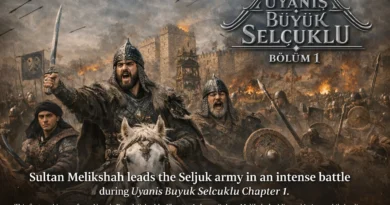
Leadership stands at the center of Uyanis Buyuk Selcuklu Chapter 10. Sultan Melikshah is depicted as a ruler who understands the delicate balance between power and justice. His authority does not rely solely on military strength but also on wisdom and consultation.
In the Seljuk tradition, a ruler was expected to guide the state with fairness and discipline. Melikshah’s leadership reflects this philosophy. He listens to advisors, considers the consequences of decisions, and acts with determination when the stability of the empire is threatened.
One of the remarkable aspects of Seljuk governance was its organized administration. The empire relied on scholars, ministers, and commanders to maintain order in distant regions. Chapter 10 highlights how such a system allowed the Seljuks to control vast territories while preserving cultural and economic growth.
“A great empire is not built by swords alone but by wisdom, unity, and justice.”
This idea resonates throughout the chapter as the characters navigate political tension and emerging challenges.
The Strategic Mind of Nizam al-Mulk
Another important figure in this narrative is Nizam al-Mulk, the legendary Seljuk vizier known for his intellect and administrative brilliance. His presence in Chapter 10 represents the guiding wisdom behind the empire’s stability.
Nizam al-Mulk was historically famous for establishing educational institutions known as Nizamiyya madrasas. These centers of learning promoted scholarship in theology, law, and philosophy. His contributions helped strengthen the intellectual foundation of the Seljuk world.
Within the story, Nizam al-Mulk often acts as the voice of reason. When political tensions rise, he reminds leaders of the long-term consequences of their actions. His advice reflects a deep understanding of governance, diplomacy, and human nature.
The character’s calm approach contrasts with the ambitions of rivals who seek power. Through this dynamic, Chapter 10 portrays how wisdom can be more powerful than aggression.
Palace Intrigue and Political Rivalries
The Seljuk court was not only a place of leadership but also a stage for complex rivalries. Uyanis Buyuk Selcuklu Chapter 10 explores how ambition and suspicion can influence relationships among powerful figures.
Within the palace, alliances are constantly shifting. Some characters seek influence by building trust with the Sultan, while others attempt to manipulate events behind the scenes. These rivalries add tension to the story and reflect the realities of medieval politics.
In many historical empires, internal challenges were as significant as external threats. The Seljuks were no exception. Ministers, commanders, and nobles often had different visions for the future of the state.
Chapter 10 illustrates how careful leadership is required to manage such divisions. A single misunderstanding or hidden agenda can create instability, which is why wise rulers rely on trusted advisors and strong institutions.
The Role of Loyalty and Brotherhood
Loyalty is one of the strongest themes in Uyanis Buyuk Selcuklu Chapter 10. The bonds between warriors, scholars, and leaders represent the foundation of the empire’s strength.
Seljuk warriors were known for their dedication to both their ruler and their cause. Brotherhood among soldiers created unity in difficult times. This sense of loyalty is portrayed through characters who stand beside each other despite danger or uncertainty.
The idea of loyalty extends beyond the battlefield. Within the palace, loyal advisors protect the interests of the state by offering honest guidance. Their commitment ensures that decisions are made with the empire’s future in mind.
The narrative reminds viewers that empires survive not only because of powerful leaders but also because of individuals who remain faithful to their responsibilities.
The Seljuk Military Structure
The Seljuk military system was one of the most organized forces of its time. Uyanis Buyuk Selcuklu Chapter 10 presents elements of this structure through strategic discussions and preparations.
Seljuk armies were composed of skilled cavalry, archers, and commanders trained in tactical planning. Mobility and discipline allowed them to respond quickly to challenges across the empire.
Below is a simple overview of the Seljuk military structure.
| Military Role | Responsibility |
|---|---|
| Sultan | Supreme commander and political leader |
| Vizier | Strategic advisor and administrator |
| Commanders | Leaders responsible for regional forces |
| Cavalry | Fast-moving units used in strategic operations |
| Archers | Skilled fighters providing ranged support |
This structure allowed the Seljuks to maintain order across vast territories while defending their borders effectively.
Cultural and Intellectual Influence
One of the most fascinating aspects of the Seljuk period is its cultural influence. Uyanis Buyuk Selcuklu Chapter 10 subtly highlights how scholarship and education played a role in strengthening the empire.
During the Seljuk era, cities became centers of learning. Scholars, poets, and philosophers contributed to an environment where knowledge was highly valued. Libraries and schools flourished under state support.
Architecture also reflected the empire’s cultural achievements. Mosques, madrasas, and caravanserais were built across the region, symbolizing prosperity and intellectual progress.
These developments remind readers that the Seljuk Empire was not defined only by power but also by its dedication to education and cultural growth.
Themes of Strategy and Patience
Another important element in Chapter 10 is the idea that success often requires patience. Leaders must think several steps ahead, anticipating the reactions of rivals and allies alike.
Strategic thinking is portrayed through careful planning and thoughtful dialogue between characters. Rather than rushing into confrontation, wise leaders evaluate every possibility.
This approach reflects the real historical mindset of many medieval rulers who understood that stability required long-term planning. The Seljuks often relied on diplomacy, alliances, and calculated decisions to protect their influence.
The story therefore becomes a lesson in leadership, demonstrating how patience and foresight can prevent unnecessary conflict.
Key Elements Highlighted in Chapter 10
Several important themes emerge throughout the narrative.
Important themes include:
- Leadership guided by justice and wisdom
- Strategic planning within the Seljuk court
- Loyalty among warriors and advisors
- Cultural and intellectual development
- Political challenges within powerful empires
These elements combine to create a compelling portrayal of a historical world where decisions shape the future of nations.
The Historical Legacy of the Seljuks
The Seljuk Empire remains one of the most influential powers in medieval history. Its contributions to governance, scholarship, and architecture influenced many later civilizations.
Uyanis Buyuk Selcuklu Chapter 10 reflects this legacy by focusing on the personalities and principles that defined the empire. Leaders like Sultan Melikshah and Nizam al-Mulk represent a period when intellectual strength and strategic leadership guided the state.
The Seljuks also played a crucial role in connecting cultures across Asia and the Middle East. Trade routes expanded, scholars traveled between cities, and new ideas flourished.
This historical background enriches the narrative, reminding readers that the story represents more than entertainment—it reflects a fascinating chapter in world history.
Key Takeaways
- The Seljuk Empire was a major power in medieval history.
- Leadership and strategy played central roles in maintaining stability.
- Scholars such as Nizam al-Mulk contributed greatly to governance and education.
- Loyalty among warriors and advisors strengthened the empire.
- Cultural and intellectual achievements defined the Seljuk era.
Conclusion
Uyanis Buyuk Selcuklu Chapter 10 offers a rich exploration of leadership, loyalty, and strategy within the Seljuk Empire. Through the portrayal of powerful characters and thoughtful dialogue, the narrative highlights the values that allowed the empire to flourish.
The story emphasizes that strong leadership requires more than authority. Wisdom, patience, and trust are essential qualities for guiding a vast and diverse empire. By focusing on these themes, the chapter reflects the broader historical legacy of the Seljuks.
For history enthusiasts, the narrative provides an engaging glimpse into a world where political decisions, intellectual achievements, and personal loyalty shaped the course of an empire.
Frequently Asked Questions (FAQs)
The chapter focuses on leadership challenges, political strategy, and the relationships between Sultan Melikshah and his advisors within the Seljuk Empire.
Nizam al-Mulk represents wisdom and administrative strength, offering guidance that helps maintain stability in the Seljuk court.
Important themes include loyalty, strategic thinking, leadership responsibility, and the cultural influence of the Seljuk period.
The narrative draws inspiration from the real Seljuk Empire, portraying historical figures and ideas that shaped medieval Islamic civilization.
Leadership is central because the stability of the Seljuk Empire depends on wise decisions, trusted advisors, and unity among its leaders.