Uyanis Buyuk Selcuklu Chapter 3 – Power, Strategy and Legacy
Uyanis Buyuk Selcuklu Chapter 3 – Power, Strategy and Legacy
Uyanis Buyuk Selcuklu Chapter 3: Introduction
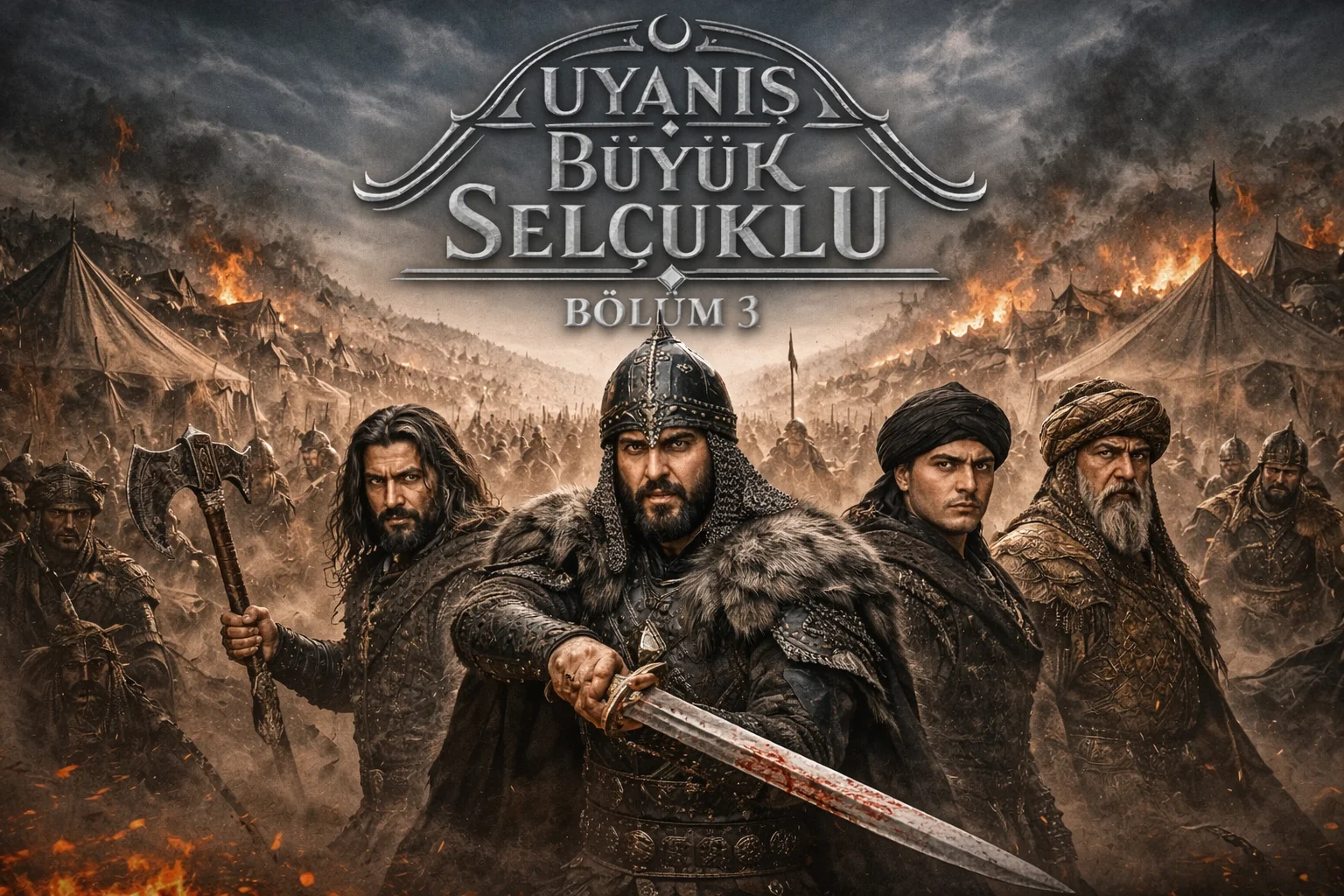
The Uyanis Buyuk Selcuklu Chapter 3 continues the powerful historical narrative inspired by the Seljuk Empire, one of the most influential Islamic dynasties of the medieval world. The story highlights political intrigue, loyalty, courage, and leadership during the reign of Sultan Melikshah. In this chapter, the story gradually expands from personal rivalries to larger questions of empire-building and governance.
The Seljuk Empire in the 11th century stretched across vast regions including Persia, Anatolia, and parts of the Middle East. This chapter captures the tension between protecting the empire and managing internal conflicts. It presents characters who are not only warriors but also strategists, scholars, and political thinkers. Through dramatic storytelling, the narrative reflects the values of justice, loyalty, and statecraft that shaped Seljuk history.
“An empire is not built by swords alone; wisdom and unity are its strongest foundations.”
The Political Landscape of the Seljuk Empire
The events portrayed in Uyanis Buyuk Selcuklu Chapter 3 highlight the complex political environment of the Seljuk court. Sultan Melikshah faces challenges from both internal factions and external rivals who aim to weaken the empire. These challenges demonstrate how fragile power can be when trust within leadership circles begins to erode.
At the center of the political structure stands the Sultan, supported by advisors and commanders who shape policies and decisions. The Seljuk administration was highly organized and relied on a network of loyal officials who maintained order throughout the empire.
Key Elements of Seljuk Governance
| Element | Description |
|---|---|
| Sultan | Supreme authority responsible for leadership and justice |
| Vizier | Chief advisor who manages administration and strategy |
| Military Commanders | Protect borders and maintain security |
| Scholars | Provide intellectual and legal guidance |
The chapter portrays how each of these roles influences the stability of the empire.
Sultan Melikshah’s Leadership
Sultan Melikshah emerges as a central figure in Uyanis Buyuk Selcuklu Chapter 3. His leadership style combines strength with thoughtful decision-making. Instead of reacting impulsively to threats, he evaluates situations carefully and relies on trusted advisors.
The portrayal of Melikshah highlights qualities that were essential for rulers of large empires: patience, strategic thinking, and the ability to unite diverse groups. His presence symbolizes authority, yet the story also shows the weight of responsibility carried by a ruler who must protect both people and territory.
In many ways, Melikshah represents the ideal Seljuk ruler — a leader who values knowledge as much as bravery. His actions in this chapter reveal how leaders must balance compassion with firmness in times of uncertainty.
The Role of Nizam al-Mulk
No discussion of the Seljuk period would be complete without mentioning the influential vizier Nizam al-Mulk. In Uyanis Buyuk Selcuklu Chapter 3, he continues to demonstrate why he was considered one of the greatest administrators in Islamic history.
Nizam al-Mulk was responsible for many reforms that strengthened the Seljuk state. His emphasis on education, justice, and efficient governance helped create a stable environment for cultural and intellectual growth.
Contributions of Nizam al-Mulk
- Development of a strong administrative system
- Establishment of educational institutions
- Promotion of justice and law
- Strategic advice for protecting the empire
His calm demeanor and deep understanding of politics make him one of the most respected figures in the narrative.
Rising Conflicts and Hidden Rivalries
As the story progresses, Uyanis Buyuk Selcuklu Chapter 3 introduces tensions between different groups within the empire. These conflicts are not always visible on the battlefield; many unfold through secret alliances, negotiations, and strategic planning.
Such rivalries illustrate a key theme of medieval politics: power struggles often occur behind palace walls. Loyalty becomes a precious quality, and betrayal can quickly alter the balance of power.
The chapter effectively shows how the stability of an empire depends not only on military strength but also on unity among its leaders.
The Seljuk Military Tradition
The Seljuk army played a vital role in defending the empire. Uyanis Buyuk Selcuklu Chapter 3 portrays the discipline and courage of Seljuk warriors who were trained to protect their lands with determination.
The military structure was well organized and relied heavily on skilled horsemen. These warriors were known for their speed, archery skills, and tactical intelligence.
Characteristics of the Seljuk Army
- Highly mobile cavalry units
- Skilled archers trained from a young age
- Strong loyalty to their commanders
- Strategic use of terrain and movement
This military strength allowed the Seljuks to maintain control over vast territories and defend their borders against powerful rivals.
Cultural and Intellectual Growth
While the narrative often focuses on political intrigue and warfare, Uyanis Buyuk Selcuklu Chapter 3 also highlights the cultural achievements of the Seljuk era. The empire became a center for scholarship, architecture, and scientific advancement.
Cities under Seljuk rule were home to scholars, poets, and philosophers who contributed to Islamic civilization. Educational institutions supported the study of theology, mathematics, medicine, and philosophy.
Areas of Cultural Development
| Field | Contribution |
|---|---|
| Education | Establishment of learning institutions |
| Architecture | Construction of mosques and madrasas |
| Literature | Growth of Persian and Arabic scholarship |
| Science | Advances in mathematics and astronomy |
This intellectual environment strengthened the identity and prestige of the Seljuk Empire.
Strategy and Diplomacy
Another important theme in Uyanis Buyuk Selcuklu Chapter 3 is diplomacy. Not every conflict is solved through combat; many are resolved through negotiation and strategic alliances.
Leaders often had to weigh multiple options before taking action. A decision that seemed beneficial in the short term could create long-term consequences for the empire.
The chapter emphasizes that diplomacy was as important as military power. Wise rulers understood that alliances could secure peace and stability more effectively than endless conflict.
Loyalty and Honor
Throughout Uyanis Buyuk Selcuklu Chapter 3, loyalty emerges as a central value. Characters who remain faithful to their principles and leaders are portrayed with admiration, while those driven by ambition risk losing trust.
Honor was deeply connected to the identity of Seljuk warriors and officials. Protecting one’s reputation and fulfilling duties to the state were considered essential responsibilities.
This focus on honor reflects the moral values that shaped medieval Islamic societies and helped maintain unity within powerful empires.
Lessons from Seljuk Leadership
The narrative of Uyanis Buyuk Selcuklu Chapter 3 offers valuable insights into leadership and governance. Even though the story is set centuries ago, its themes remain relevant today.
Leadership Lessons
- Wisdom strengthens authority
- Unity protects nations
- Justice builds trust among people
- Education supports long-term stability
These lessons highlight the enduring importance of balanced leadership.
Key Takeaways
- Uyanis Buyuk Selcuklu Chapter 3 explores political strategy within the Seljuk Empire.
- Sultan Melikshah represents strong and thoughtful leadership.
- Nizam al-Mulk plays a vital role in administration and governance.
- Internal rivalries threaten stability despite military strength.
- Cultural and intellectual development flourished during the Seljuk period.
- Loyalty and honor remain central themes throughout the narrative.
Conclusion
Uyanis Buyuk Selcuklu Chapter 3 presents a fascinating exploration of leadership, strategy, and loyalty during the height of the Seljuk Empire. By focusing on both political intrigue and cultural achievements, the story captures the complexity of governing a vast medieval state.
The Seljuk period was not only defined by military victories but also by intellectual growth and administrative innovation. Figures like Sultan Melikshah and Nizam al-Mulk demonstrate how wisdom and knowledge can shape the destiny of nations.
Ultimately, the narrative reminds readers that history is shaped by individuals who must balance ambition, responsibility, and justice. Their decisions influence not only their own era but also the legacy left for future generations.
FAQs
The main focus of Uyanis Buyuk Selcuklu Chapter 3 is the political strategy and leadership challenges faced by Sultan Melikshah within the Seljuk Empire.
In Uyanis Buyuk Selcuklu Chapter 3, Sultan Melikshah represents strong leadership and thoughtful decision-making during a period of internal tension.
In Uyanis Buyuk Selcuklu Chapter 3, Nizam al-Mulk acts as a wise advisor whose administrative reforms strengthen the Seljuk state.
Major themes in Uyanis Buyuk Selcuklu Chapter 3 include leadership, loyalty, political intrigue, and the preservation of empire.
Uyanis Buyuk Selcuklu Chapter 3 reflects historical elements such as Seljuk governance, military traditions, and the intellectual culture of the medieval Islamic world.