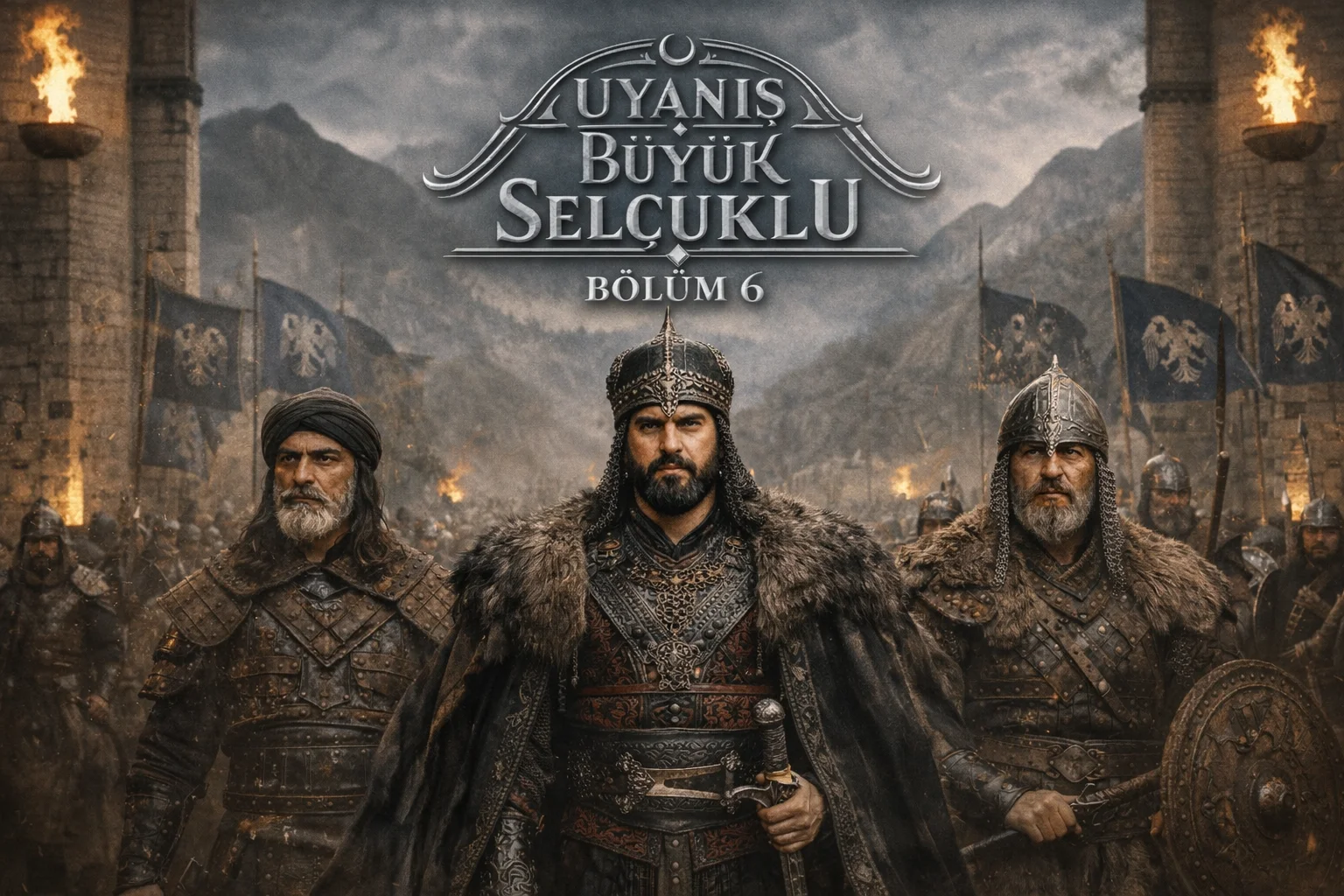
Uyanis Buyuk Selcuklu Chapter 6 – Strategy, Loyalty, and Power in the Seljuk Court
Uyanis Buyuk Selcuklu Chapter 6 – Strategy, Loyalty, and Power in the Seljuk Court
Uyanis Buyuk Selcuklu Chapter 6: Introduction
The historical drama Uyanis Buyuk Selcuklu explores the rise and strength of the Seljuk Empire, one of the most powerful states of the medieval Islamic world. Uyanis Buyuk Selcuklu Chapter 6 continues the story with deeper political tension, strategic thinking, and the constant struggle to maintain unity within a vast empire. The narrative highlights the responsibilities of leadership, the importance of loyalty, and the dangers that arise when internal rivalries threaten stability.
During this period, the Seljuk Empire stood at the crossroads of cultures and civilizations. Its rulers were not only military leaders but also guardians of justice, scholars, and protectors of trade routes. Chapter 6 portrays the complex relationships between rulers, scholars, and soldiers who all played essential roles in preserving the empire’s authority. Through dramatic events and meaningful dialogues, viewers gain insight into the historical values that shaped the Seljuk state.
The Seljuk Empire and Its Historical Background
To understand the significance of Chapter 6, it is important to explore the broader historical context of the Seljuk Empire. Founded by the Seljuk Turks in the 11th century, the empire expanded rapidly across Central Asia, Persia, and Anatolia. Under the leadership of Sultan Melikshah, the empire reached a peak of political power and cultural influence.
The Seljuk rulers introduced administrative reforms and encouraged learning, making their courts centers of knowledge. Scholars, architects, and poets flourished during this era. Uyanis Chapter 6 reflects this intellectual atmosphere by showing discussions about governance, diplomacy, and the future of the state.
One of the most notable figures of this period was the wise statesman Nizam al-Mulk, whose policies strengthened the administrative structure of the empire. His influence in the Seljuk court ensured stability during times of conflict and uncertainty. The interactions between such historical personalities add depth to the narrative and remind viewers of the real historical foundations behind the story.
Leadership of Sultan Melikshah
In Chapter 6, the leadership of Sultan Melikshah becomes more prominent as he faces growing challenges. As the ruler of a vast territory, he must balance authority with wisdom. His decisions affect not only the court but also distant provinces that depend on the central government for stability.
Melikshah’s character represents the ideal Seljuk ruler—strong in battle, thoughtful in governance, and committed to justice. He understands that the strength of the empire lies not only in military power but also in the loyalty of his commanders and advisers. The chapter illustrates how every decision requires careful consideration because even small conflicts can grow into serious threats.
A memorable quote reflecting his leadership philosophy could be expressed as:
“A ruler’s strength is measured not only by his sword, but by the justice he delivers to his people.”
This idea reflects the Seljuk tradition of balancing military authority with ethical responsibility.
Political Intrigue in the Seljuk Court
Chapter 6 also explores the political complexity within the Seljuk palace. The court is a place where alliances are formed and rivalries quietly develop. Ministers, commanders, and influential families all compete for influence over imperial decisions.
Such political tension was common in large empires, where power attracted both loyalty and ambition. The chapter illustrates how internal disagreements can become as dangerous as external enemies. Characters must constantly evaluate whom they can trust, and the consequences of betrayal can reshape the future of the state.
The story shows that maintaining unity among powerful figures requires diplomacy, patience, and sometimes difficult choices. These themes reflect the realities of medieval governance, where rulers had to manage not only battles on the field but also conflicts within their own courts.
Strategic Planning and Military Preparation
A significant part of Chapter 6 focuses on strategic planning. The Seljuk commanders analyze potential threats and prepare their forces to defend the empire’s borders. Military strength was essential for protecting trade routes, cities, and agricultural lands.
The Seljuk army was known for its disciplined cavalry and effective use of strategy. Rather than relying solely on brute force, commanders studied geography, timing, and coordination. The narrative captures this approach by presenting discussions among military leaders as they consider different strategies.
These scenes highlight the importance of preparation and intelligence gathering. By understanding the strengths and weaknesses of both allies and rivals, Seljuk leaders sought to maintain an advantage in times of conflict.
Role of Knowledge and Scholarship
Beyond military and political themes, Chapter 6 emphasizes the importance of knowledge in the Seljuk world. Educational institutions and scholars played a crucial role in shaping the empire’s identity. The famous Nizamiyya madrasas were established to promote learning and intellectual debate.
Scholars contributed to the development of law, philosophy, and science. Their presence in the court ensured that decisions were guided by wisdom rather than impulse. In the story, discussions among scholars highlight how knowledge can strengthen a state by guiding in difficult times.
This intellectual tradition was one of the reasons the Seljuk era is remembered as a period of cultural development. Architecture, literature, and scholarship all flourished under the protection of Seljuk rulers.
Important Characters in Chapter 6
The narrative of Chapter 6 revolves around several influential figures whose actions shape the direction of events. Each character represents a different aspect of Seljuk society—leadership, scholarship, loyalty, and ambition.
| Character | Role in the Story | Historical Significance |
|---|---|---|
| Sultan Melikshah | Supreme ruler of the Seljuk Empire | Expanded the empire and strengthened governance |
| Nizam al-Mulk | Wise statesman and adviser | Architect of Seljuk administration |
| Seljuk Commanders | Military leaders defending the empire | Responsible for strategy and defense |
| Court Scholars | Intellectual voices guiding policy | Represent the scholarly tradition of the Seljuks |
These characters create a dynamic narrative where personal motivations intersect with historical events.
Themes of Loyalty and Justice
A major theme in Chapter 6 is loyalty. The survival of the Seljuk Empire depends on the dedication of those who serve it. Commanders must remain faithful to their ruler, while advisers must provide honest guidance even when the truth is difficult to hear.
Justice is another key element. The Seljuk tradition emphasized fairness and responsibility toward the people. Rulers were expected to protect the weak and maintain order across the empire. The chapter illustrates how justice becomes a foundation for long-term stability.
Loyalty and justice together create a moral framework that strengthens leadership and inspires trust among the people.
Key Moments and Turning Points
Several important developments occur in Chapter 6 that shape the direction of the narrative. These moments reveal the evolving balance of power within the Seljuk court and beyond.
Some of the notable developments include:
- Strategic meetings among Seljuk leaders about future plans
- Growing tension between influential figures in the court
- Discussions about protecting the empire’s borders
- Strengthening alliances among loyal commanders
- New challenges that test the unity of the Seljuk leadership
Each of these moments contributes to the broader storyline and prepares the ground for future developments.
Lessons from Seljuk Leadership
The story of Chapter 6 offers lessons that remain relevant even today. Leadership, strategy, and unity are timeless principles that apply to many areas of life. The Seljuk rulers demonstrated that strong governance requires both courage and wisdom.
Key leadership principles illustrated in the chapter include:
- Strategic thinking – planning before taking action.
- Unity among leaders – cooperation strengthens stability.
- Respect for knowledge – scholars and advisers guide wise decisions.
- Justice in governance – fairness builds public trust.
- Preparedness – readiness ensures security during uncertain times.
These principles reflect the broader legacy of the Seljuk Empire as a state that combined strength with intellectual development.
Key Takeaways
- Uyanis Chapter 6 highlights the political and strategic challenges of the Seljuk Empire.
- Sultan Melikshah’s leadership emphasizes justice and responsibility.
- Court politics reveal the delicate balance of power among influential figures.
- Military planning and diplomacy play vital roles in protecting the empire.
- Knowledge and scholarship remain central to Seljuk governance.
Conclusion
Uyanis Chapter 6 presents a compelling portrayal of leadership, strategy, and loyalty within the Seljuk Empire. Through its dramatic storytelling, the chapter explores how rulers and advisers navigated complex political landscapes while striving to maintain unity and justice.
The Seljuk era represents an important chapter in Islamic and world history. Its leaders built institutions that encouraged learning, strengthened administration, and protected cultural exchange across vast territories. By reflecting these historical realities, the story provides viewers with a deeper understanding of the values that shaped the medieval Islamic world.
Ultimately, Chapter 6 reminds us that the strength of any civilization lies not only in its armies but also in its wisdom, justice, and unity.
FAQs
The main focus of Uyanis Chapter 6 is the political strategy, leadership challenges, and internal dynamics within the Seljuk court.
In Uyanis Buyuk Selcuklu Chapter 6, Sultan Melikshah represents strong leadership and justice while managing political tensions within the empire.
Uyanis Buyuk Selcuklu Chapter 6 shows governance through court discussions, strategic planning, and the influence of scholars and advisers.
Themes in Uyanis Buyuk Selcuklu Chapter 6 include loyalty, justice, strategy, political intrigue, and the role of knowledge in leadership.
Uyanis Buyuk Selcuklu Chapter 6 is significant because it deepens the political narrative and highlights the challenges faced by Seljuk leaders in maintaining unity.