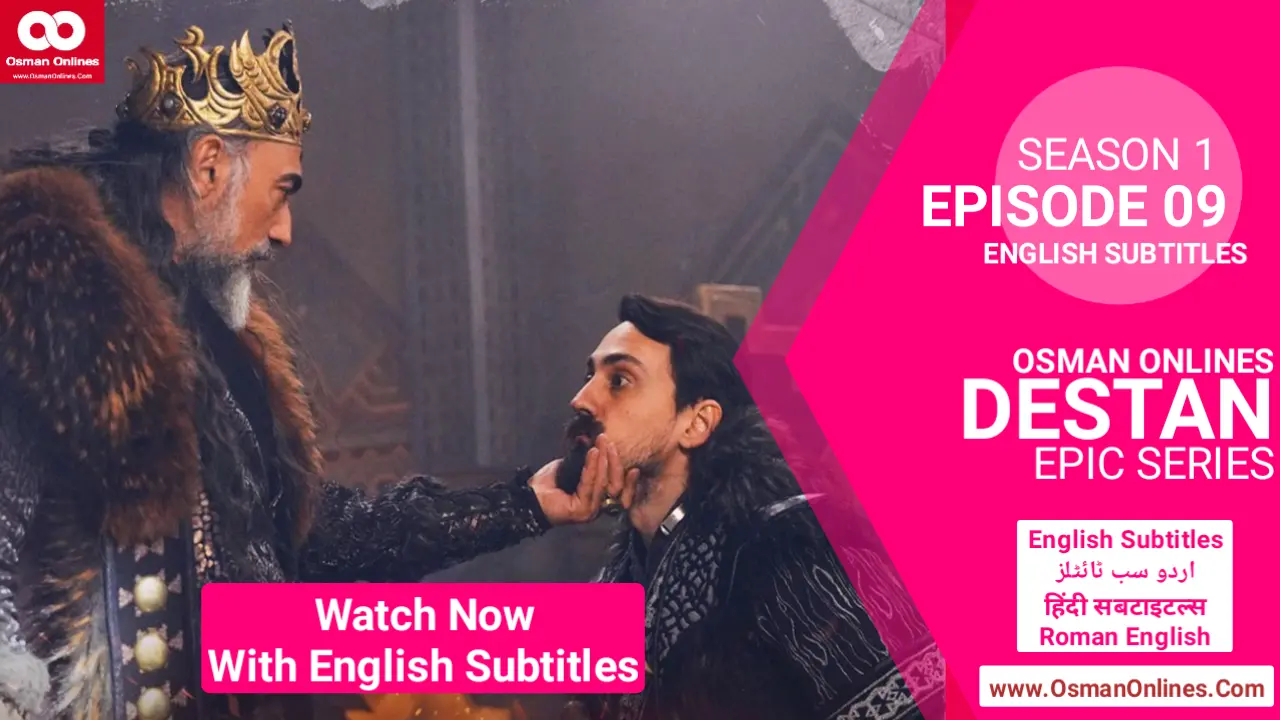
Destan Chapter 9: Power, Loyalty, and Tribal Destiny
Destan Chapter 9: Power, Loyalty, and Tribal Destiny
Destan Chapter 9: Introduction
Historical Turkish dramas often explore the deeper layers of leadership, tribal politics, and personal sacrifice. Destan Chapter 9 continues this tradition by presenting a powerful narrative set in the ancient Turkic world where courage, loyalty, and destiny intersect. The chapter expands the story of Akkız and Batuga while revealing the shifting balance of power inside the Gök Khanate.
The atmosphere in this chapter becomes more intense as political tensions grow among the tribes. Every decision made by the leaders begins to shape the future of the people. Rather than focusing solely on conflict, the story highlights the emotional weight carried by those responsible for protecting their communities.
“A true leader does not only defend the land; he protects the spirit of the people.”
This idea forms the core theme of the narrative.
The Growing Tension Within the Gök Khanate
The events of Destan Chapter 9 revolve around increasing distrust inside the ruling structure of the Gök Khanate. Different tribal leaders begin to question the motives of one another, creating a fragile political environment.
The khanate represents a powerful authority that unites multiple nomadic tribes across the steppe. However, unity requires trust, and this chapter shows how easily that trust can weaken when ambition and fear take control.
The ruling court becomes a place where whispers and secret plans influence decisions. Advisors, warriors, and tribal elders all attempt to protect their own interests. As a result, the khan must balance justice with authority to maintain stability.
This situation reflects a common theme in historical societies where leadership required both strength and wisdom.
Akkız and the Spirit of Resistance
Akkız continues to emerge as one of the most determined figures in the narrative. Her character represents courage and resilience in a world where survival depends on bravery.
In Destan Chapter 9, Akkız faces new challenges that test her loyalty to her people. She refuses to accept injustice and believes that the future of the tribes depends on unity rather than fear.
Her journey reflects the traditional values of Turkic culture:
- Loyalty to the tribe
- Respect for ancestors
- Protection of the weak
- Courage in difficult times
These principles guide her decisions and inspire others around her. The story emphasizes that leadership can come from unexpected places, not only from those who hold official power.
Batuga’s Quiet Strength
While Akkız represents open courage, Batuga symbolizes patience and hidden strength. His character continues to evolve in Destan Chapter 9, revealing layers of intelligence and strategic thinking.
Many people underestimate Batuga because of his calm nature, yet this chapter suggests that his understanding of the political landscape is deeper than others realize.
Batuga’s journey highlights an important idea:
True power does not always appear loud or aggressive.
Instead, wisdom and patience can shape the outcome of major events. His actions begin to influence the direction of the story, hinting that his role in the future of the khanate may become increasingly significant.
Tribal Alliances and Rivalries
One of the most fascinating aspects of Destan Chapter 9 is its portrayal of tribal alliances. The steppe society operates through relationships built on loyalty, honor, and shared history.
However, alliances can easily shift when leaders pursue different goals.
Key Political Factors in the Chapter
| Factor | Influence on the Story |
|---|---|
| Tribal Loyalty | Determines which leaders gain support |
| Political Ambition | Creates tension among powerful figures |
| Cultural Traditions | Guides decision-making and justice |
| Leadership Strength | Maintains unity within the khanate |
These elements create a dynamic environment where every decision carries long-term consequences.
The Role of Tradition in Turkic Society
The narrative places strong emphasis on the cultural traditions of the Turkic steppe. Customs, rituals, and councils of elders play an important role in guiding leadership decisions.
For centuries, Turkic societies relied on systems that valued honor, consultation, and respect for the wisdom of elders. The story reflects these historical ideas by showing how leaders gather to discuss important matters affecting the tribes.
These gatherings often determine:
- future alliances
- responses to threats
- protection of tribal lands
By including these elements, the narrative presents a realistic representation of early steppe governance.
Emotional Conflicts and Personal Sacrifice
Beyond politics and leadership, Destan Chapter 9 also focuses on emotional struggles faced by its characters. Loyalty to family, tribe, and personal beliefs often creates difficult choices.
Akkız and Batuga both experience moments where their responsibilities conflict with their emotions. These situations highlight the human side of leadership.
In historical societies, leaders were often forced to sacrifice personal happiness for the stability of their people. The story captures this tension by presenting characters who must constantly weigh duty against desire.
Symbolism of the Steppe Landscape
The natural environment plays a symbolic role throughout the chapter. Vast grasslands, cold winds, and distant mountains reflect the challenges faced by the tribes.
The steppe is more than a setting it represents freedom, resilience, and survival. For the nomadic communities of Central Asia, the land shaped their culture, traditions, and worldview.
In Destan Chapter 9, the landscape mirrors the emotional journey of the characters. Harsh weather and open horizons symbolize both danger and opportunity.
Leadership Lessons from the Story
The chapter also offers valuable insights into leadership and responsibility. Through the experiences of different characters, the narrative presents several lessons about power and governance.
Important Leadership Qualities Highlighted
- Wisdom before action
- Loyalty to the community
- Courage in uncertainty
- Respect for tradition
- Strategic thinking
These qualities reflect the values often associated with historical Turkic leaders who guided their tribes through difficult times.
Character Development and Future Possibilities
Another strength of Destan Chapter 9 lies in its character development. The chapter does not only advance the storyline but also deepens our understanding of the personalities involved.
Several characters begin to reveal hidden motivations, suggesting that future events may bring unexpected alliances and challenges.
This gradual development keeps the narrative engaging while allowing the audience to appreciate the complexity of tribal politics and personal relationships.
Key Themes of Destan Chapter 9
Major Themes
- Loyalty and betrayal
- Leadership responsibility
- Tribal unity
- Cultural heritage
- Courage and perseverance
Key Takeaways
- The chapter emphasizes political tension within the Gök Khanate.
- Akkız continues to represent courage and resistance.
- Batuga’s quiet intelligence becomes more significant.
- Tribal alliances shape the direction of the story.
- Cultural traditions guide leadership decisions.
Conclusion
Destan Chapter 9 stands out as a powerful chapter that blends historical inspiration with emotional storytelling. The narrative explores leadership, loyalty, and the struggle to maintain unity in a complex tribal world.
Through the journeys of Akkız, Batuga, and the leaders of the Gök Khanate, the story highlights the timeless values of courage, honor, and responsibility. The chapter also reminds readers that the fate of a nation often depends on the decisions made during moments of uncertainty.
By presenting political intrigue alongside personal sacrifice, the narrative creates a rich portrayal of life on the ancient steppe. The characters continue to evolve, suggesting that their journeys will play an important role in shaping the future of the tribes.
Ultimately, Destan Chapter 9 serves as a compelling reflection on how leadership, tradition, and determination influence the destiny of a people.
FAQ
Destan Chapter 9 focuses on the growing political tension within the Gök Khanate and the challenges faced by Akkız and Batuga as they navigate loyalty, leadership, and tribal unity.
In Destan Chapter 9, Akkız demonstrates courage and determination, inspiring others to resist injustice and protect the traditions of their tribe.
Batuga plays an increasingly significant role in Destan Chapter 9 through his patience, intelligence, and strategic thinking within the political environment of the khanate.
Destan Chapter 9 highlights themes such as tribal loyalty, respect for tradition, leadership responsibility, and the importance of unity among the Turkic tribes.
Destan Chapter 9 strengthens character development and reveals deeper political tensions, setting the stage for important decisions that may influence the future of the Gök Khanate.